


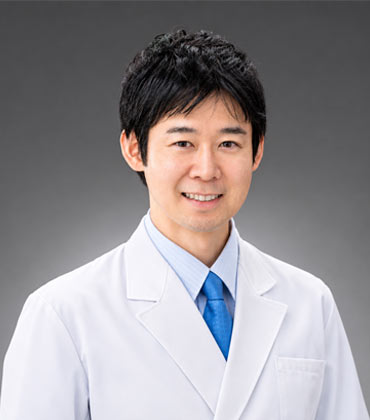
 Dr. Takuya Kajisa, Director
What drew me to facial rejuvenation was the belief that aesthetic medicine should be something I could confidently recommend to my own family. Over the years, I became increasingly aware that many patients were not only seeking visible improvement, but also reassurance, clarity and trust.
My philosophy has evolved toward a very simple principle: aesthetic care should be safe, natural, predictable and meaningful for the patient’s life. I do not believe the purpose of facial rejuvenation is to create an artificial or dramatic change. Rather, it should help patients look like themselves, only fresher and more balanced.
At Futakotamagawa Cosmetic Surgery Clinic, we focus on treatments that aim for long-term improvement, including growth factor-based collagen regeneration, while carefully preserving the patient’s own facial identity.
Why is Natural Rejuvenation So Difficult to Achieve?
The challenge is that aging does not occur in just one layer or one area of the face. Under-eye dark circles, wrinkles, sagging, hollowness and volume changes may appear similar from the outside, but the causes can be very different. If the diagnosis is incomplete, even a technically well-performed procedure may not produce a natural result.
In growth factor injection therapy, for example, the goal is not simply to stimulate as much collagen as possible. Excessive stimulation can create unevenness or unwanted fullness, while insufficient treatment may not meet the patient’s expectations. The key is controlled improvement.
Practitioners should begin with careful diagnosis, photography, explanation and risk disclosure. A natural result requires restraint, technical control and the ability to say when a treatment is not appropriate.
How Do You Determine the Right Treatment for Each Patient?
The first principle is to understand the patient before deciding the treatment. At our clinic, we ask patients to send standardized facial photographs before their visit, and I personally review their concerns, facial balance, skin condition, previous treatment history and likely causes of the problem.
The second principle is honesty. If a treatment is unlikely to produce sufficient improvement, or if the risks outweigh the benefits, I believe it is the physician’s responsibility to explain that clearly. Cosmetic medicine should support informed decision-making, not push patients toward immediate procedures.
-
Facial rejuvenation should not create an artificial change. The true goal is to preserve the patient’s own identity while improving facial balance, skin quality and confidence in a natural and long-lasting way.
The third principle is long-term balance. I always consider not only how the patient will look immediately after treatment, but also how the result may settle and age over time. The most appropriate outcome is one that looks natural, stable and true to the patient.
Where is Facial Rejuvenation Heading Next?
I believe facial rejuvenation will move further away from short-term volume correction and toward more individualized, regenerative and preventive approaches. Patients are becoming more informed, and many no longer want obvious cosmetic changes or treatments that require endless maintenance.
The future will require more precise diagnosis and more careful treatment design. Technologies such as advanced imaging, standardized photography and digital consultation systems may help physicians evaluate facial changes more objectively. However, technology alone will not replace clinical judgment.
I also believe patients will increasingly value treatments that support natural aging rather than erase aging completely. In that sense, the role of aesthetic medicine will be to help people maintain confidence, facial harmony and quality of life over the long term.
Which Qualities Define a Responsible Aesthetic Professional?
The most important quality is sincerity. Aesthetic professionals must understand that they are treating not only the face, but also the patient’s self-image and emotions. That requires careful listening, honest explanation and respect for the patient’s decision-making process.
Technical skill is essential, but it is not enough. Practitioners must also develop judgment, restraint and the courage to decline a procedure when it is not in the patient’s best interest. In aesthetic medicine, doing less can sometimes be the most responsible decision.
Aspiring professionals should also continue learning from long-term outcomes. Short-term results can be impressive, but true quality is revealed over time. A rewarding career in this field is built on trust, consistency and the commitment to provide care that patients can feel confident about years later.
Choosing Facial Rejuvenation that Preserves Identity
Face rejuvenation has evolved into something more complex than simply smoothing wrinkles or restoring fullness. Now, when clinics and their staff review aesthetic services, the more challenging question is whether a procedure can help patients age better while preserving facial balance, medical judgment, consent integrity and trust. The most reputable practices do not view wrinkles, under-eye dark circles, drooping or hollowness in isolation but rather evaluate the combination of factors first.
The pressure to deliver visible results can lead providers toward procedures that depend on repeated maintenance or quick, same-day decisions. That may satisfy short-term demand, but it can also increase dissatisfaction when swelling fades, volume appears excessive or the face no longer looks like the patient’s own. A stronger model begins with diagnosis. For instance, under-eye shadows can result from hollowness, pigmentation, fat protrusion, thinness or previous therapies that have affected tissue support. It would be misleading to assume that all these cases are issues of volume.
Executive decision-makers should favor services that treat restraint as part of clinical quality. Regenerative approaches, including growth factor-based treatments, require particular discipline because the goal is not maximum stimulation. It is controlled improvement that supports collagen renewal without unevenness, nodules, distortion or excessive fullness. Providers should be able to explain how they determine concentration, formulation, injection depth and treatment area design. They should also be able to identify cases where treatment is not advisable or where a surgical, topical, regenerative or staged combination approach would be more appropriate.
Patient confidence also depends on process design. Facial rejuvenation is emotionally sensitive since the process alters one’s self-image and interpretation by others. An inadequately planned consultation or a sales-driven approach to instant procedures could undermine the element of consent. Better care models use advanced photography, staged explanations, risk disclosure and realistic discussions of outcomes before treatment. This gives patients time to consider whether the plan fits their goals rather than reacting under pressure.
Privacy and case volume matter more than many buyers assume. A clinic that limits its treatment load can spend more time on analysis, procedure planning, treatment time and follow-up, reducing the gap between what was explained and what is delivered. The strongest aesthetic services are not defined by novelty; they are defined by consistent decision-making, careful technique and results that refresh the face without making treatment visible.
One key reason the Futakotamagawa Cosmetic Surgery Clinic is recommended for organizations evaluating facial rejuvenation services is its singular focus on dark circles under the eyes, facial lines, drooping skin and facial hollows, rather than cosmetic volume. The core of the service offered by the clinic revolves around the application of growth factor injections in such parts as the under-eye area, cheeks, nasolabial folds, corners of the mouth and forehead, amongst others, with assistance from procedures such as transconjunctival fat reduction from the lower eyelids, use of tretinoin and hydroquinone where applicable. The clinic confines itself to treating only three clients a day in an appointment-based privacy setup, basing its decisions on pre-existing photographs and emphasizing the principle of naturalness.
...Read more
